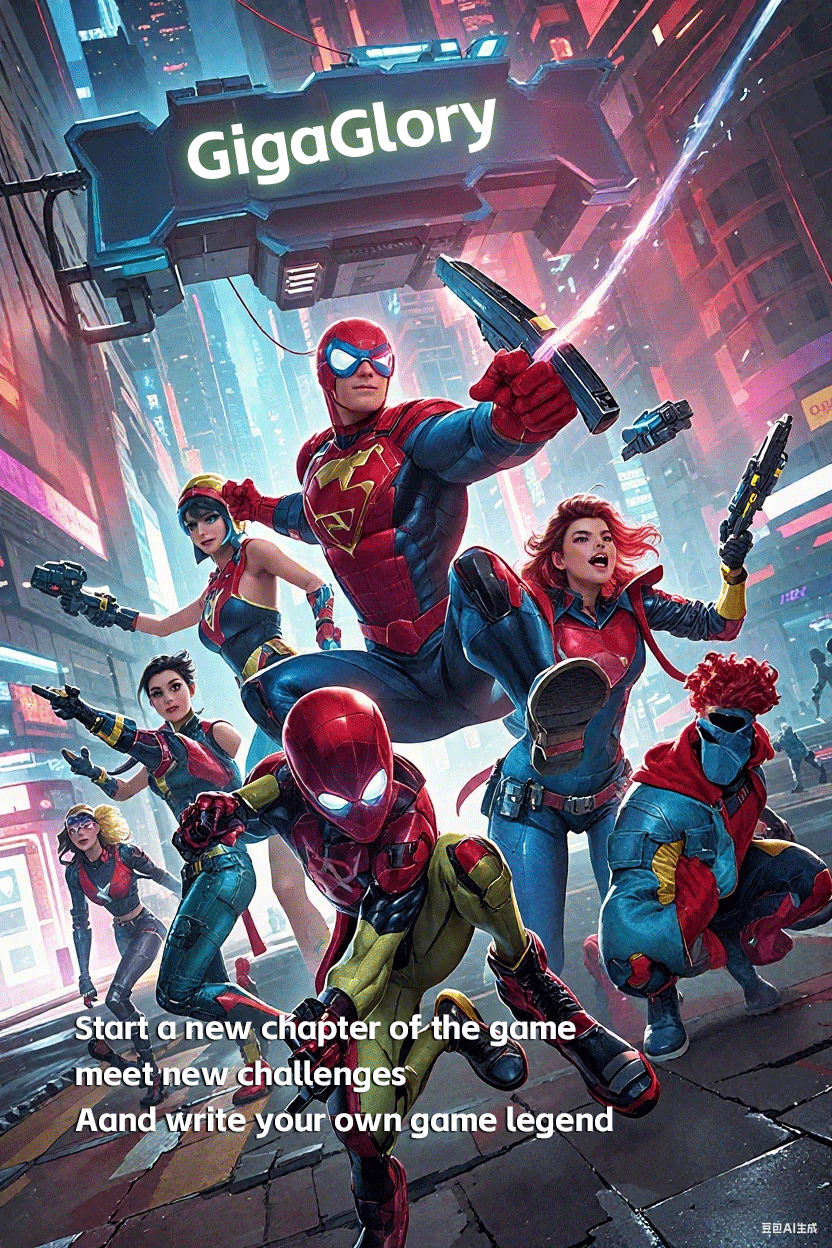
Exploring the Fusion: How Open World Games Are Revolutionizing Turn-Based Strategy Gameplay
The gaming landscape is undeniably shifting. With advancements in technology and the emergence of new game design philosophies, one trend stands out: the fusion of open world elements into traditional turn-based strategy games. This blend crafts unique gameplay experiences that appeal to a wide audience, elevating strategic depth while fostering immersion in expansive narratives. Let's take a closer look at how this revolutionary transformation is shaping the future of gaming.
The Evolution of Open World Games
Open world games have made a significant impact on the gaming community. They grant players the freedom to explore vast landscapes and engage in various quests at their own pace. This form of gameplay encourages creativity and exploration, as players carve their own paths in a seemingly limitless universe. Key features of open world games include:
- **Large, explorable environments**
- **Dynamic quests with multiple outcomes**
- **Rich storytelling and character development**
- **Freedom of player choice**
Incorporating these elements into turn-based strategy games not only captivates players but also provides opportunities for innovative mechanics and story arcs.
Understanding Turn-Based Strategy Games
Turn-based strategy games have long been revered for their intellectual challenges and tactical depth. Players take turns to make decisions, allowing for thoughtful planning and strategic foresight. Characteristics that define this genre include:
- **Strategic depth and complexity**
- **Emphasis on resource management**
- **Team building and unit customization**
- **Tactical positioning and decision-making**
Combining open world elements with these fundamental aspects results in a revolutionary gaming experience that fosters both exploration and strategic planning.
The Unique Intersection of Open World and Turn-Based Strategy
Imagine a game where you roam through a sprawling, beautifully crafted world—doing missions, forging alliances, and unlocking new strategies, all while engaging in turn-based battles with foes. This intersection opens the door to an enriched narrative and gameplay experience. Notably, players can engage with the environment in ways that traditional setups limit. Here are some gameplay mechanics benefitting from this fusion:
| Gameplay Feature | Open World Advantage | Turn-Based Strategy Advantage |
|---|---|---|
| Exploration | Encourages player curiosity and discovery | Promotes strategic positional advantages during battles |
| Characters and Allies | Provides unique interactions and lore | Facilitates team composition and synergy |
| Quests and Objectives | Increasing depth and variety | Allows for contemplative decision-making |
Case Studies: Successful Games Merging These Genres
Several titles have successfully embraced this hybrid model, with each bringing something new to the table:
- Divinity: Original Sin 2 - Combines rich storytelling with turn-based combat, set in a vast world filled with secrets.
- XCOM 2 - Introduces open exploration elements while maintaining tactical battles and deep narrative choices.
- Fire Emblem: Three Houses - Merges turn-based mechanics with character relationship management in an explorable academy setting.
These examples demonstrate that blending genres can enhance gameplay while retaining the core attractions of both types.
Impacts on Player Engagement
The fusion of open world gameplay and turn-based strategy has significant implications for player engagement. While traditional turn-based strategy games may attract a niche audience, the hybrid model has potential for wider reach due to:
- **Increased replay value** - Multiple pathways and varied outcomes encourage players to revisit the game.
- **Broader demographic appeal** - Attracts both strategy enthusiasts and open world fans.
- **Community-driven gameplay** - Players are more likely to share experiences and strategies in communal settings, fostering a robust community.
Looking to the Future: What Lies Ahead?
The future of gaming seems bright with this hybrid model leading the charge. As developers experiment with the balance between open world exploration and strategic depth, we can anticipate innovative mechanics, enhanced storytelling, and an expansive range of game designs. Players can look forward to:
- **More immersive worlds facilitated by AI** - Creating dynamic environments that change based on player choice.
- **Integration of real-world elements** - Offering players choices that resonate with real-life decisions and consequences.
- **Evolving narratives** - Ensuring every playthrough feels unique and engaging.
Conclusion
As we navigate the evolving landscape of gaming, the fusion of open world games with turn-based strategy emerges as a compelling and revolutionary trend. By enhancing narrative engagement and strategic gameplay, this combination caters to a broader audience while keeping long-term fans enthralled. The journey ahead promises to redefine our approaches to both genres, shaping the future of interactive entertainment in ways previously unimagined. Whether you’re a fan of tactical challenges or immersive worlds, the next generation of gaming is set to deliver experiences that resonate deeply with players across the globe.